A hernia develops when an internal organ or fatty tissue pushes through a weak area of the surrounding muscle or connective tissue. Hernias usually do not heal without treatment and often increase in size over time. In some cases, they may cause serious complications if left untreated, which is why surgery is commonly advised. However, not all hernias require immediate surgery. The need for treatment depends on the hernia’s size and the symptoms it causes.
Hernia repair surgery involves returning the protruding tissue to its correct position and reinforcing the weakened area to prevent it from coming back.
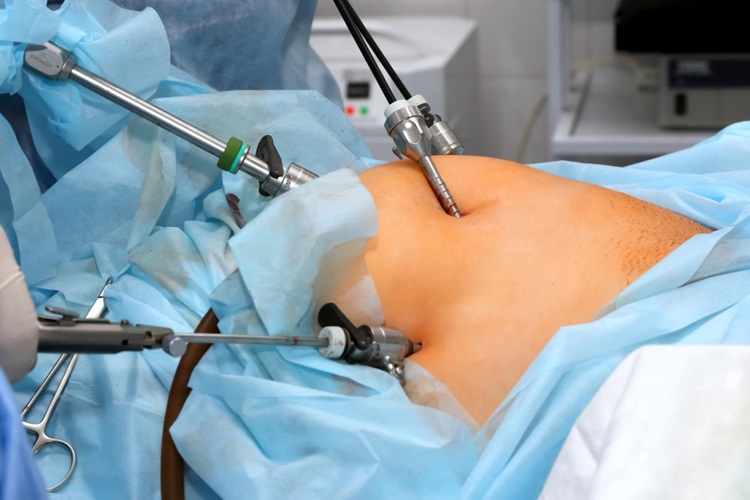
During laparoscopic hernia surgery, the abdomen is gently filled with a safe gas to allow the surgeon a clear view of the internal structures. A few small incisions are made close to the hernia site. Through one incision, a narrow tube with a small camera (laparoscope) is inserted, providing detailed images on a monitor.
Using these images as guidance, the surgeon repairs the hernia and strengthens the affected area using a surgical mesh. The procedure is performed under general anesthesia.
Recovery after laparoscopic surgery is typically quicker compared to open surgery. On average, patients are able to return to their normal daily activities about a week earlier than those who undergo traditional open repair.
The type of surgery recommended depends on several factors, including the hernia’s size, type, and location. Your doctor will also evaluate your overall health, age, and lifestyle before deciding the most suitable treatment approach.