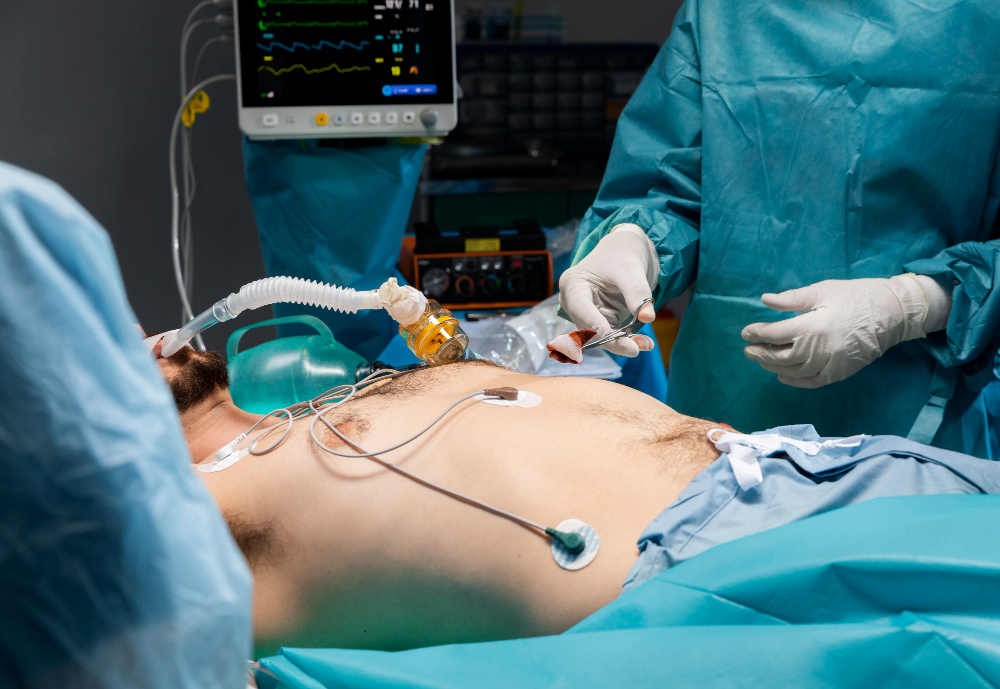
Laparoscopic Gallbladder Stone Surgery
The gallbladder is a small, pear-shaped organ that stores bile, a digestive fluid produced by the liver to help break down food. When the gallbladder does not function properly or when bile composition becomes imbalanced, solid particles can form inside it. These particles, known as gallstones, may range in size from very tiny grains to much larger stones.
Gallstones do not disappear on their own. If they begin to cause pain, discomfort, or other health problems, your doctor may recommend removing the gallbladder. This surgical procedure is called a cholecystectomy and is one of the most frequently performed abdominal surgeries.
Nearly 80% of people diagnosed with gallstones eventually require surgical treatment.
Laparoscopic Surgery
Laparoscopic gallbladder surgery, also known as laparoscopic cholecystectomy, is a minimally invasive procedure used to remove the gallbladder and gallstones through a few small incisions in the abdomen. During the procedure, the abdomen is gently inflated with air or carbon dioxide to provide better visibility for the surgeon.
A thin tube with a light and camera (laparoscope) is inserted through a small incision near the navel. The surgeon views the internal organs on a monitor and uses additional surgical instruments inserted through other small incisions to safely remove the gallbladder.
Before removing the gallbladder, the surgeon may perform a special imaging test called intraoperative cholangiography to clearly visualize the bile ducts.
This surgery is performed under general anesthesia and typically takes less than two hours to complete.
After the Surgery
Once the gallbladder is removed, bile flows directly from the liver through the common bile duct into the small intestine. Since bile is no longer stored between meals, digestion continues normally for most people, with little to no long-term impact.
Conversion to Open Surgery
In a small percentage of cases, the surgeon may need to switch from laparoscopic surgery to an open surgical approach, which requires a larger incision. This may be necessary due to unexpected inflammation, scar tissue, bleeding, or injury discovered during the procedure.
In the United States, this conversion occurs in approximately 5 to 10 out of every 100 laparoscopic gallbladder surgeries, ensuring patient safety remains the top priority.