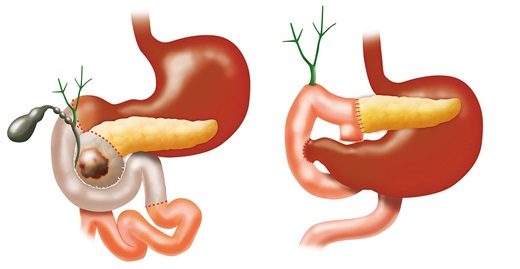
Pancreatic Cancer Surgery
Pancreatic cancer is a fast-growing and serious disease that often shows very few symptoms in its early stages. In many cases, signs appear only after the cancer has progressed. Common symptoms may include abdominal discomfort, unexplained weight loss, diarrhea, and jaundice. Treatment options for pancreatic cancer typically involve surgery, chemotherapy, radiation therapy, or a combination of these approaches, depending on the stage of the disease.
Types of Pancreatic Cancer
Pancreatic cancer is categorized based on the part of the pancreas where it develops. The pancreas has two main functions: producing digestive enzymes (exocrine function) and releasing hormones such as insulin (endocrine function).
Most pancreatic cancers arise from the exocrine portion of the pancreas. In fact, about 95% of cases are a type known as pancreatic adenocarcinoma.
Other, less common forms of exocrine pancreatic cancer include:
- Adenosquamous carcinoma
- Squamous cell carcinoma
- Giant cell carcinoma
- Acinar cell carcinoma
- Small cell carcinoma
Symptoms
Pancreatic Cancer Symptoms: Role of Tumor Location
In its early stages, pancreatic cancer usually grows silently and without pain. By the time symptoms become noticeable, the cancer has often extended beyond the pancreas. Due to the pancreas’s location deep within the abdomen, symptoms may vary and include the following:
- Jaundice: When a tumor blocks the bile duct that carries bile into the intestine, bile substances accumulate in the bloodstream. This leads to yellowing of the skin and eyes, dark-colored urine, pale stools, and itching.
- Abdominal pain: A dull or aching pain in the upper abdomen that may spread to the back. The pain can be intermittent or persistent.
- Back pain
- Bloating: A feeling of early fullness during meals or uncomfortable abdominal swelling.
- Nausea
- Yellowing of the skin and whites of the eyes (jaundice)
If these symptoms persist or worsen, timely medical evaluation is essential for accurate diagnosis and appropriate treatment.